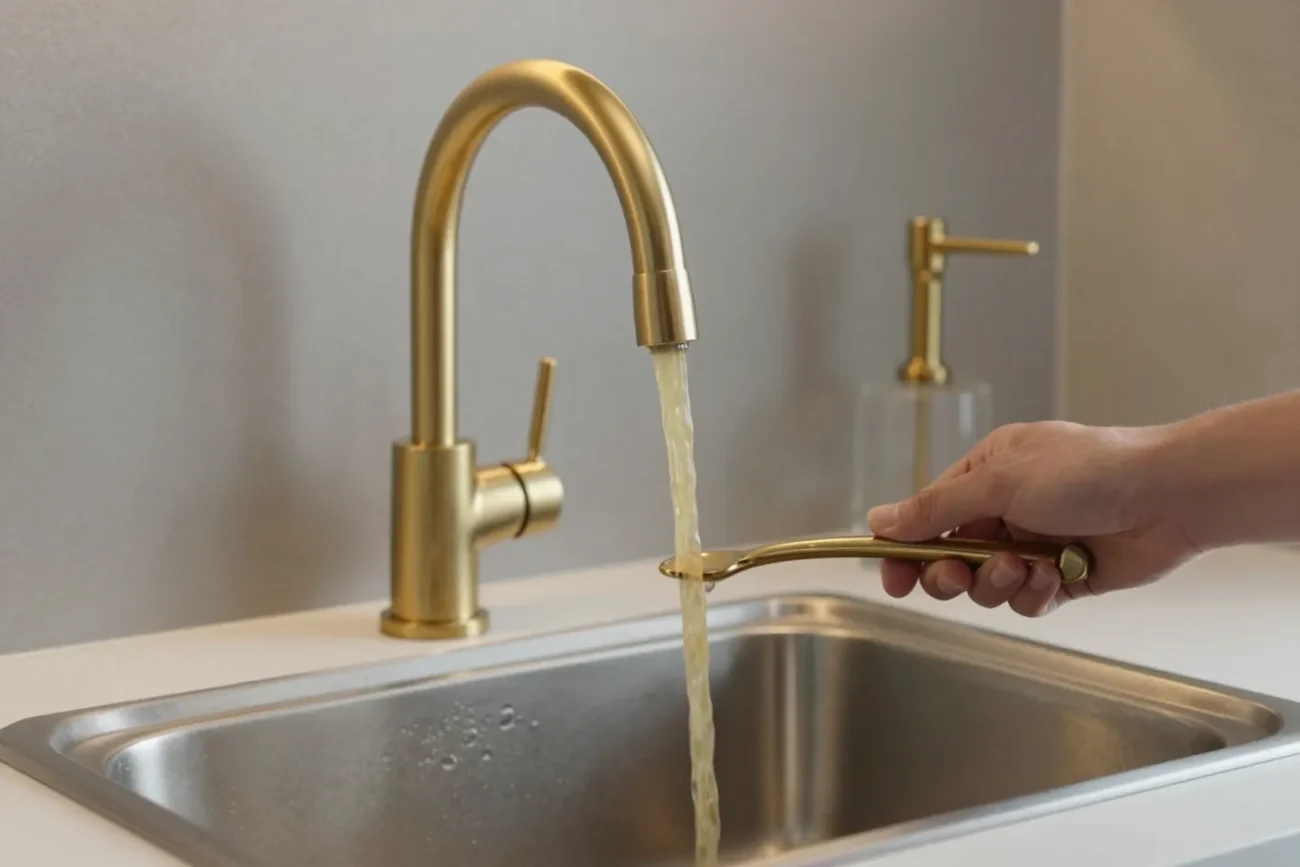
Gold faucets and stainless steel appliances can absolutely be friends. Think contrast, not conflict. That warm gleam against cool silver? Chef’s kiss. If your kitchen feels flat or “builder basic,” mixing metals adds depth fast—without a demo or a second mortgage.
Why Gold + Stainless Works (and Looks Expensive)
Stainless steel reads cool and industrial. Gold (brushed brass, champagne bronze—pick your flavor) reads warm and luxe. Together, they balance each other like a good rom-com duo: opposites, lots of chemistry.
Contrast creates focus. Your eye naturally lands on the gold faucet—it becomes the jewelry of the kitchen. Meanwhile, stainless appliances ground the space and keep it from feeling too precious.
Mixed metals feel intentional when you repeat each finish a few times. The trick? Control the chaos so it looks curated, not chaotic thrift-store.
Pick the Right Gold: Finish Matters More Than Shade
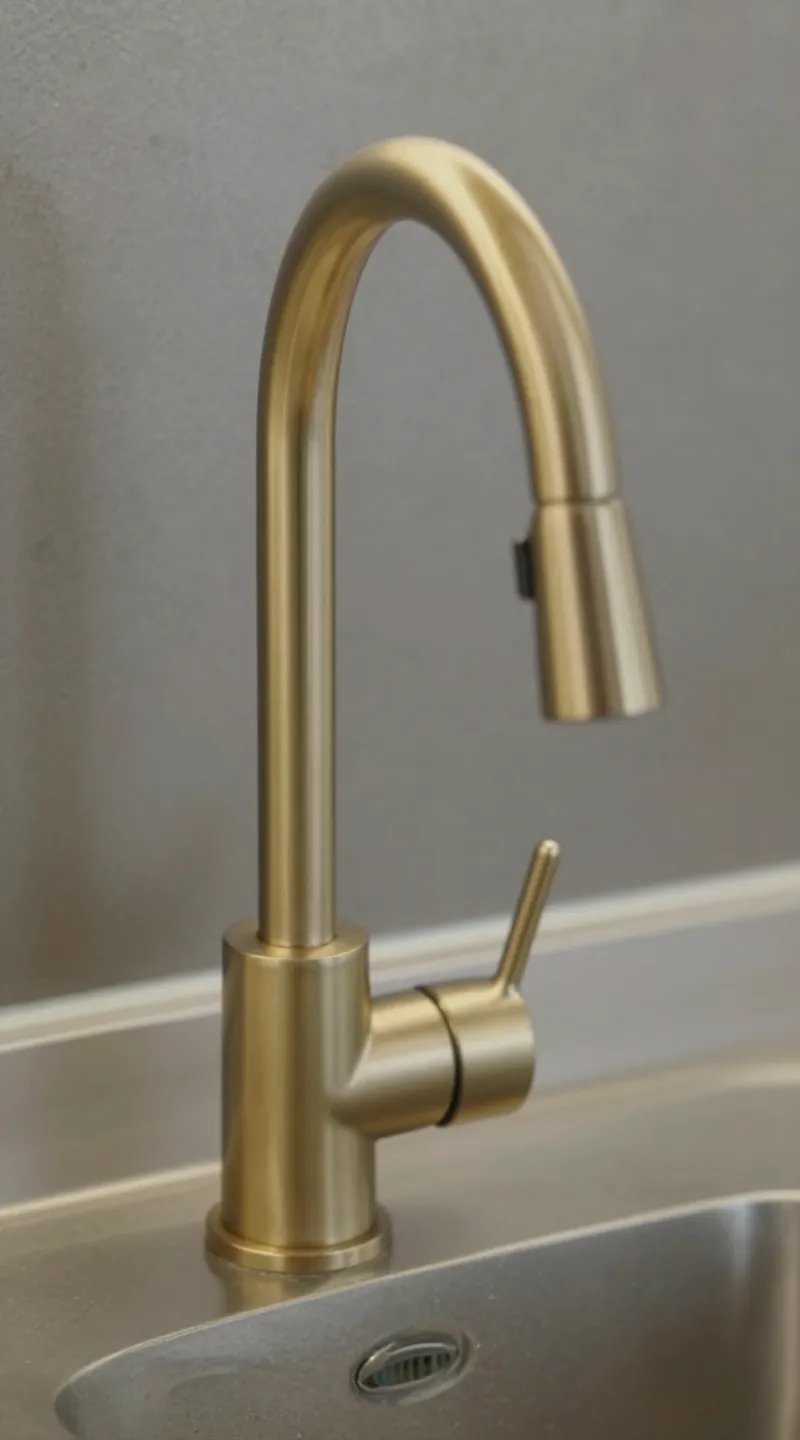
Not all “gold” looks the same. Some read yellow and shiny; others go soft and muted.
- Brushed brass/champagne bronze: Warm, matte-ish, forgiving. They play nicest with stainless. IMO, start here.
- Polished brass: Bright, mirrored, glam. Stunning, but shows fingerprints and clashes with some stainless unless you repeat it elsewhere.
- Antique brass: Aged, slightly darker. Great for vintage or moody kitchens.
Match Sheen, Not Just Color
If your appliances are a standard stainless (satin sheen), pair with a brushed or satin gold. High-polish gold next to satin stainless can feel mismatched, FYI. Keep sheen aligned for cohesion.
Create a Simple Metal “Formula” (and Stick to It)
You need a plan so every choice doesn’t feel like roulette. Use a 60/30/10 approach.
- 60% Dominant metal: Stainless steel (appliances, range hood).
- 30% Secondary metal: Gold (faucets, cabinet hardware, pendants).
- 10% Accent metal: Optional—black or oil-rubbed bronze for contrast (barstool frames, picture frames).
This ratio gives your eye a rhythm. Too many metals with equal weight equals visual noise. Aim for harmony, not a garage sale.
Repeat Each Finish at Least Twice
One gold faucet? Cute. Add matching pulls or a pendant, and now it looks intentional. Repeat metals in at least two places so nothing feels lonely.
Coordinate Hardware Without Going Full Matchy-Matchy
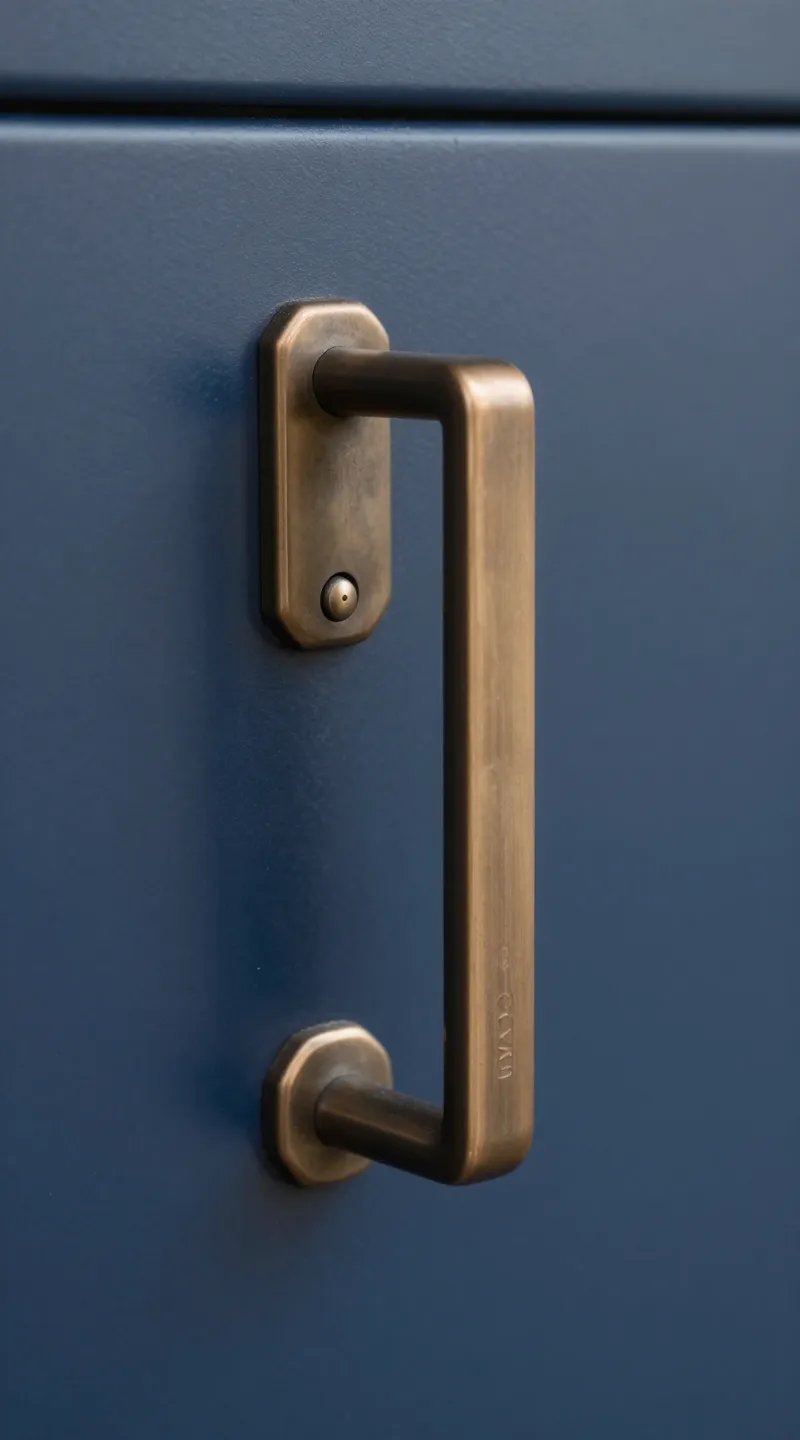
Cabinet hardware can bridge gold faucets and stainless appliances like a diplomatic envoy. Don’t agonize over perfect color matches—aim for family resemblance.
- Option A: Gold faucet + gold hardware + stainless appliances
- Option B: Gold faucet + mixed hardware (gold knobs, black pulls) + stainless appliances
- Option C: Gold faucet + stainless hardware, but repeat gold in lighting
IMO, keep hinges and screws discreet (black or hidden) so the stars can shine. And yes, hardware brands label gold differently—brushed brass, matte brass, warm gold, champagne bronze—so order samples. Your eyes don’t lie.
Use Lighting to Tie It All Together
Lighting can save the day. Add a pair of gold or black-and-gold pendants over the island, and instantly your faucet feels at home.
- Warm-toned bulbs (2700–3000K) make gold feel rich and stainless less sterile.
- Mixed-metal fixtures (gold trim, black body) echo both finishes without overdoing the bling.
- Under-cabinet lighting softens stainless glare and makes your gold faucet sparkle—subtly.
Avoid the “Chrome Surprise”
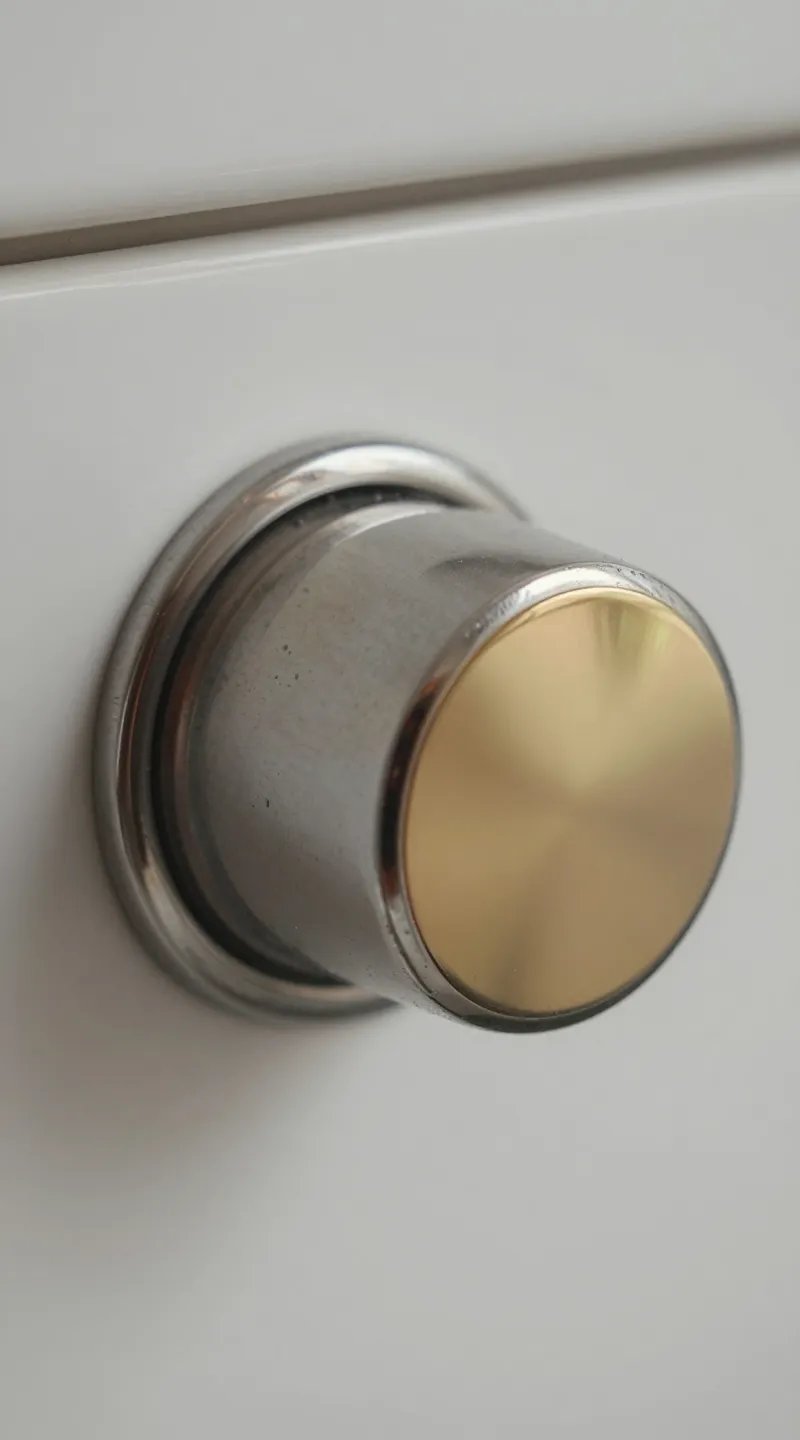
Watch out for chrome on random items like soap dispensers or water filters. Chrome leans blue and high-gloss. If it sneaks in, make it intentional or swap it for black or gold.
Backsplashes, Counters, and Wood Tones That Play Nice
Surfaces matter. They set the stage for your metal duet.
- Backsplashes: White or soft-gray zellige, marble-look quartz, or handmade tiles add texture that flatters both metals. Busy patterned tile? Keep your metals quieter.
- Counters: Warm-veined quartz or soapstone grounds the mix. High-contrast black counters make gold pop (dramatic, in a good way).
- Cabinets: Warm whites, greige, deep navy, and walnut stain love gold. Cooler whites work too—just layer wood cutting boards for warmth.
Wood = Warmth Bridge
If stainless feels cold next to cool cabinets, introduce wood through shelves, stools, or a butcher-block board. It bridges the temperature gap between metals like a charm.
Practical Stuff: Cleaning, Durability, and Brands
Gold finishes today usually come PVD-coated (physical vapor deposition). Translation: they resist tarnish and wear much better than old-school lacquered brass.
- Cleaning: Mild soap and water. Skip abrasives and harsh chemicals.
- Fingerprints: Brushed gold hides them better than polished. Same for satin stainless vs mirror.
- Consistency: Buy faucet and accessories from the same brand/finish line when possible to avoid color shifts.
Budget Tip
You don’t need to replace every handle. Swap just the island hardware to gold and leave perimeter cabinets in stainless or black. It reads custom without draining your vacation fund.
Common Mistakes (So You Don’t Make Them)
- Too many finishes: Cap it at two or three max. Four becomes chaos.
- Mismatched undertones: Super-yellow polished brass vs blue-leaning stainless? Awkward. Choose warmer, muted golds with standard stainless.
- Neglecting repetition: If gold appears once, it looks accidental. Repeat it.
- Ignoring scale: A dainty faucet vs a giant pro-range hood can feel off. Balance proportions.
- Clashing sheens: Align finishes: brushed with brushed, polished with polished (or at least echo each elsewhere).
Sample Palettes That Just Work
- Classic Warm: White shaker cabinets, Calacatta-look quartz, brushed brass faucet/hardware, stainless appliances, gold-and-glass pendants.
- Modern Moody: Deep navy or charcoal cabinets, soapstone counters, champagne bronze faucet, stainless appliances, black hardware and sconces.
- Organic Minimal: White oak lowers, white uppers, light terrazzo or pale quartz, brushed brass faucet, stainless appliances, linen drum pendants.
Quick Shopping Checklist
- Order finish samples: faucet, hardware, lighting.
- Check sheen alignment: brushed vs polished.
- Plan the 60/30/10 ratio on paper.
- Confirm bulb color temperature (2700–3000K).
- Repeat each metal at least twice. Non-negotiable, IMO.
FAQ
Do I need my gold faucet and hardware to be the exact same brand and finish?
Nope. Close enough works, especially with brushed or satin textures. Aim for similar warmth and sheen, and view samples together in your actual lighting. If you want a perfect match, stick to one brand line, but it’s not mandatory.
Will mixing metals hurt resale value?
Buyers love a layered, designer look—when it feels intentional. Your best bet: stainless appliances as the default, gold or black for accents, and a cohesive palette. Mixed metals rarely scare buyers; bad execution does.
Can I mix gold with black hardware and stainless appliances?
Yes, that trio slaps. Use stainless as the base, gold as the statement (faucet/pendants), and black for grounding (pulls, frames). Keep proportions balanced and repeat each finish.
What wall paint colors work best with gold and stainless?
Soft whites, warm greiges, and muted sages play nicely. If you love bold, try deep blue or charcoal with warm undertones. Test swatches at different times of day—lighting changes everything.
Polished versus brushed gold—how do I choose?
Choose brushed if you want low-maintenance, modern, and compatible with satin stainless. Choose polished if you love glam, don’t mind fingerprints, and plan to echo that gloss in mirrors or lighting.
What if my sink is chrome—do I have to change it?
Not necessarily. If the faucet sits on the sink, chrome can fight with warm gold. You can soften the clash by repeating chrome elsewhere or swap to a stainless-look or black sink for a cleaner mix.
Conclusion
You can absolutely pair gold faucets with stainless steel appliances—and make it look intentional, elevated, and honestly, kind of fancy. Focus on undertones, match sheen, repeat finishes, and use lighting and wood to bridge the gap. Keep the mix to two or three metals, follow the 60/30/10 rule, and trust your eyes. Your kitchen isn’t a museum—it’s your stage, so make the metals sing.
