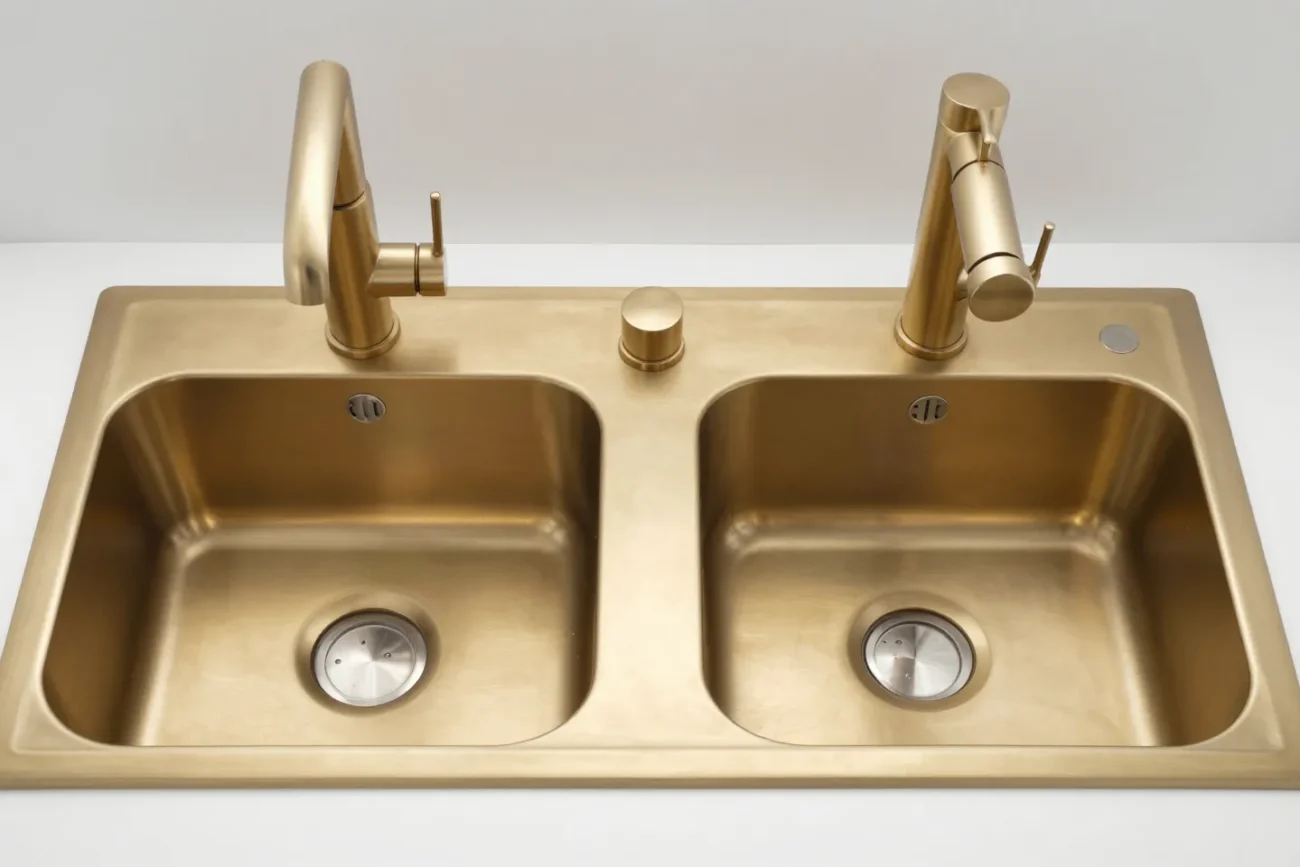
You’re staring at sink finishes and wondering, “Brushed gold or polished brass—what’s the difference, and which one won’t make me regret everything?” You’re not alone. These two stunners can transform a bathroom or kitchen from fine to “wow,” but they deliver very different vibes. Let’s break it down simply, without snobbery or fluff, so you can pick the finish that actually fits your life.
What Each Finish Actually Looks Like
Brushed gold and polished brass live in the same chic neighborhood, but they don’t share wardrobes.
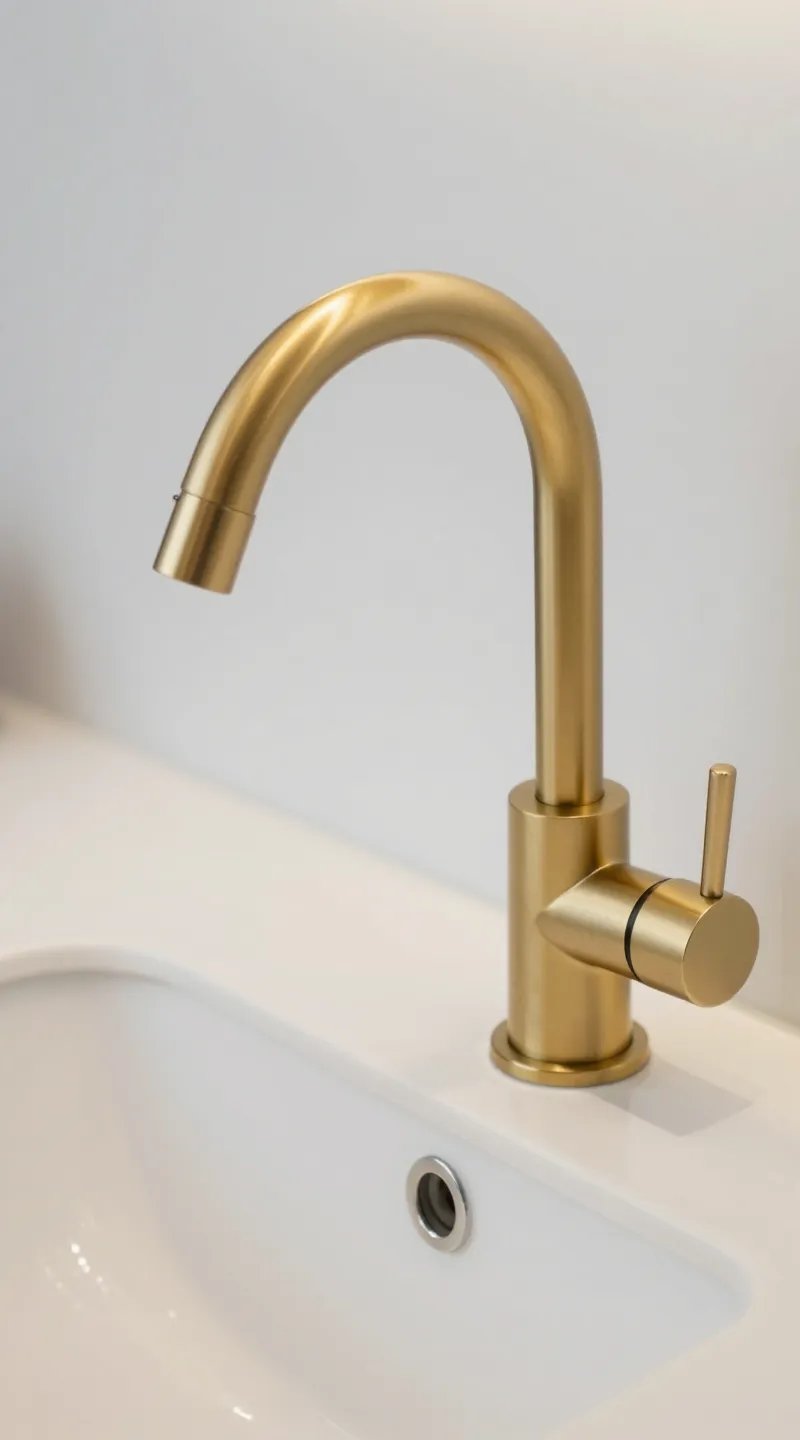
Brushed gold looks silky and matte, with subtle texture that diffuses light. Think warm glow, not mirror shine. It instantly reads modern, curated, and a bit understated.
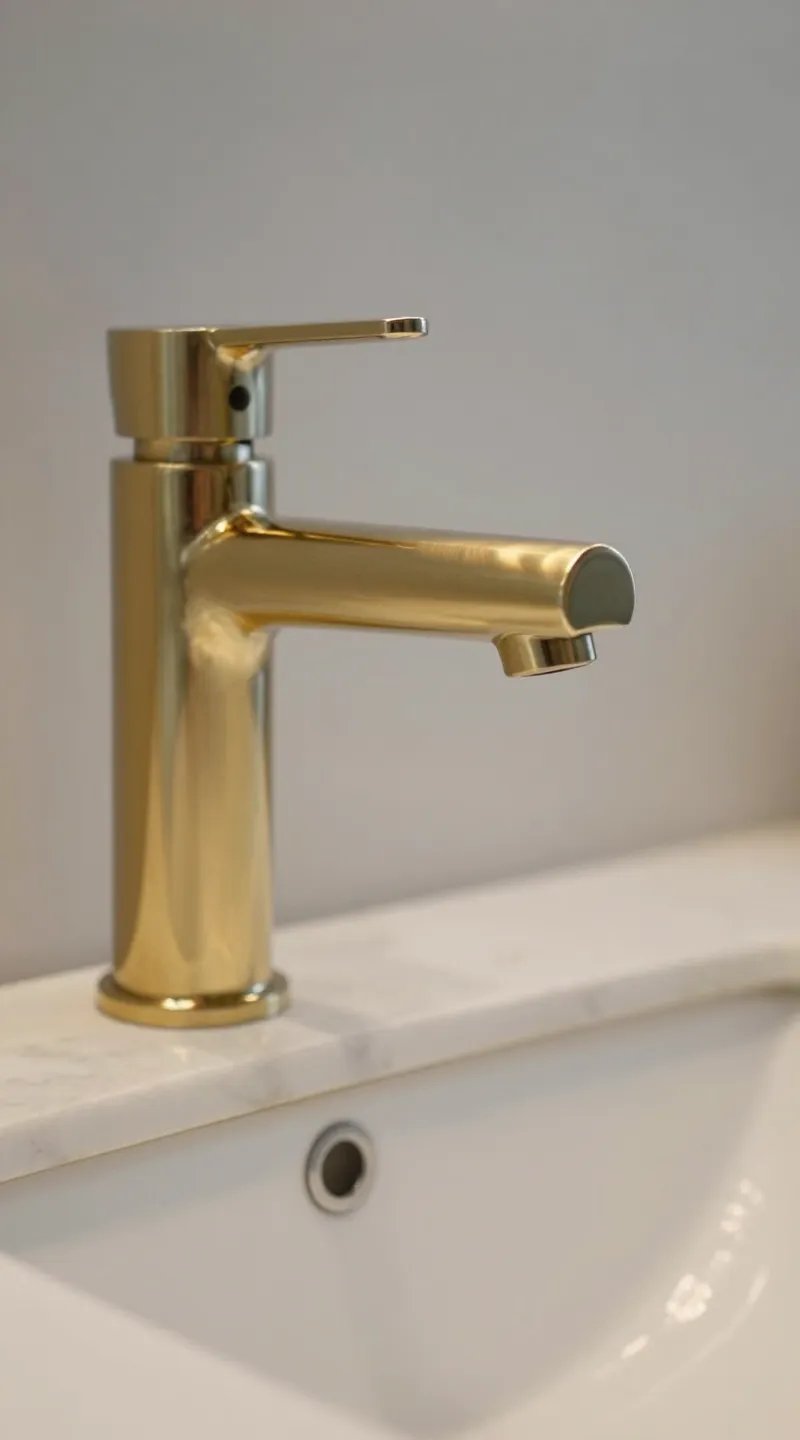
Polished brass gives you that classic high-gloss shine. It’s bright, reflective, and a little fancy—like vintage perfume bottles and swanky hotel fixtures. If you love a showstopper, this is it.
Color Tone: Warmth vs. Wow
– Brushed gold leans warm but muted—no yellow glare, no bling overdose.
– Polished brass runs richer and more golden. It pops. It says, “Yes, I’m extra.”
Maintenance: How Much Work Do You Want?
You know that friend who can’t keep white sneakers clean? That’s polished brass in a humid bathroom.
Brushed gold hides fingerprints, water spots, and everyday chaos. You’ll wipe it occasionally and it still looks composed. It’s the low-maintenance friend who shows up looking great with zero effort.
Polished brass loves attention. It shows smudges and spots, especially around the faucet handle. You’ll polish it more often if you want that gleam. If you don’t mind the upkeep—cool. If you do, consider a lacquered version.
Lacquer or Living Finish?
– Lacquered polished brass: Sealed to lock in the shine and resist tarnish. Easier to maintain, but the coating can wear over time.
– Unlacquered (living) brass: Patinas naturally. Starts bright, ages into a darker, moodier tone. Gorgeous if you like character. Not ideal if you want consistent gloss.
Durability and Wear: What Holds Up Best?
Let’s get nerdy for a sec. The construction matters more than the color name.
– Solid brass faucet: Top-tier for longevity and weight. The finish sits on a sturdy base that resists corrosion.
– PVD brushed gold (physical vapor deposition): Super tough. It resists scratches and fading. If the listing says “PVD,” you’re golden—literally.
– Electroplated polished brass: Looks stunning, but it can wear faster than PVD, especially around high-touch areas.
FYI: Always check the manufacturer’s finish warranty. If they back it for 5+ years, they expect it to last.
Style Vibes: Which One Fits Your Space?
You can’t choose a finish in a vacuum. Your lighting, cabinets, and tile set the tone.
Choose brushed gold if you:
– Love modern, Scandinavian, Japandi, or transitional styles
– Want warmth without visual noise
– Run a busy home and prefer finishes that hide smudges
– Mix metals and want a softer contrast with black, nickel, or stainless
Choose polished brass if you:
– Lean classic, vintage, Art Deco, or traditional
– Crave glamorous, hotel-lobby energy
– Enjoy patina or want a little drama
– Have marble, beadboard, or patterned tile and want a jewel-like accent
Lighting Changes Everything
– Warm bulbs (2700K–3000K) flatter both finishes but make polished brass look extra golden.
– Neutral bulbs (3500K–4000K) pull brushed gold slightly cooler and keep polished brass from going too yellow.
Pairing with Sinks, Counters, and Cabinets
You want harmony, not visual chaos. Here’s the quick hit list:
- White sinks and countertops: Both finishes work. Brushed gold feels refined; polished brass reads glamorous.
- Black or charcoal sinks: Brushed gold looks luxe and grounded. Polished brass can go high-contrast and very bold.
- Marble veining: Polished brass complements dramatic veining beautifully; brushed gold softens it.
- Warm woods (oak, walnut): Brushed gold blends; polished brass stands out.
- Cool-toned cabinets: Brushed gold warms the palette without clashing.
Mixing Metals Without Regret
– Keep the number of metal finishes to two, max three if you’re confident.
– Let one finish lead. Example: brushed gold faucets and pulls, matte black lighting.
– Match undertones: warm with warm (brass, bronze), cool with cool (chrome, nickel). You can mix, but do it intentionally.
Practical Considerations You’ll Thank Yourself For
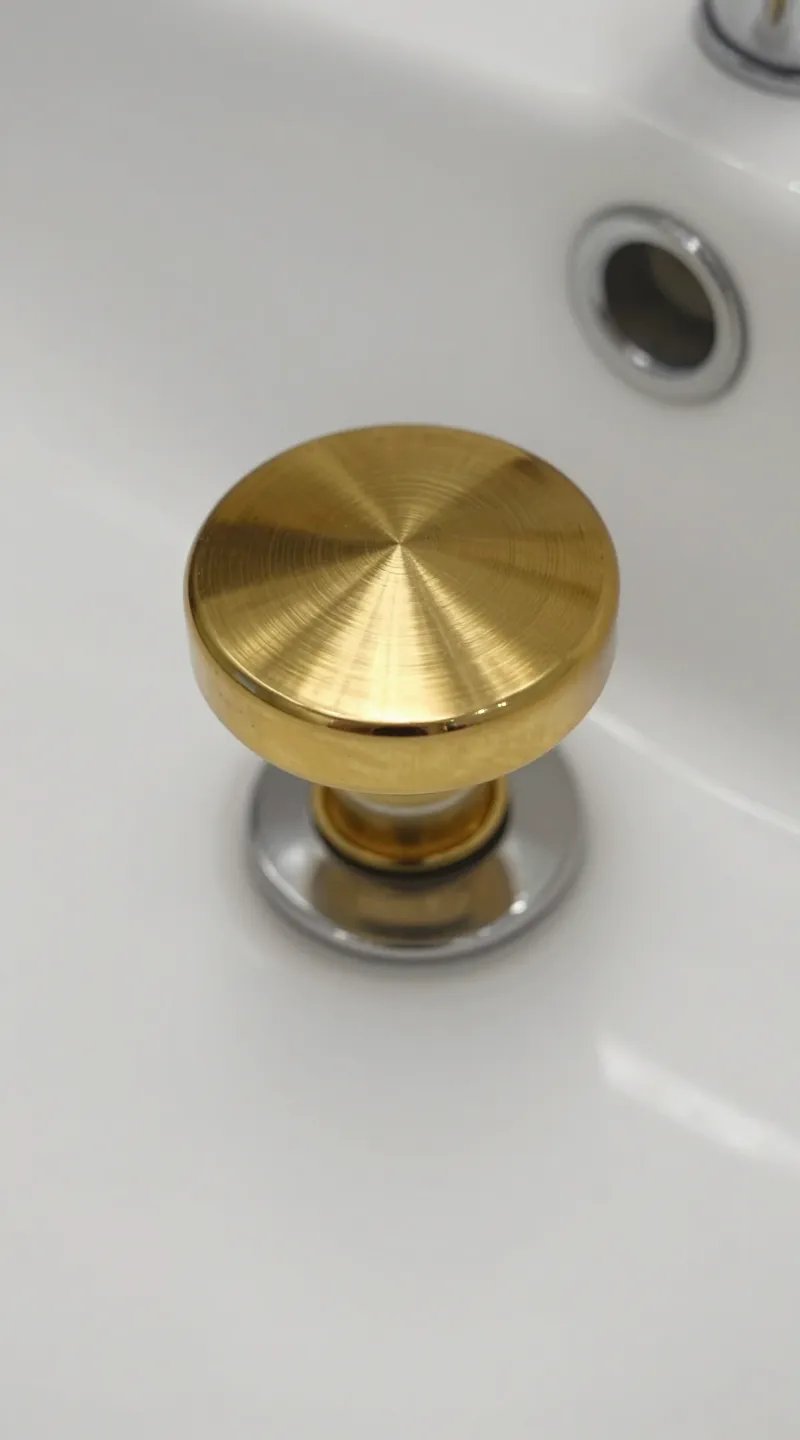
Water quality matters. Hard water equals more spots. Brushed gold hides them better. If you love polished brass, get a soft cloth habit and maybe a water filter on the line.
Kids and guests: If a lot of people use the sink, brushed gold stays looking good with minimal babysitting.
Finish consistency: “Brushed gold” and “polished brass” vary across brands. Order samples or at least check product photos from real buyers. IMO, mixing different brands can work if you embrace slight variation—but don’t expect perfect matches.
Price and Value
– Brushed gold PVD finishes often cost more upfront but win on durability.
– Polished brass can be more affordable, especially in electroplated versions, but may need more TLC or replacement down the road.
– Don’t cheap out on the faucet valve. Ceramic disc valves last and feel better. Your wrists will notice.
Installation Notes (Quick but Important)
– Confirm hole spacing and mounting style before you fall in love. Centerset, widespread, wall-mount—these determine what actually fits.
– Seal it right. Use plumber’s putty or silicone as directed so water doesn’t sneak under and stain your counter.
– Protect during renovation. Tape and cover your shiny new finish while tiling or painting. Nobody likes scratch drama.
Which Finish Should You Choose?
If you want low maintenance, a warm modern look, and easy mixing with other metals, go brushed gold. You’ll get subtle shine, fewer smudges, and a timeless vibe.
If you want bright, reflective glamour and you don’t mind some upkeep (or you love patina), go polished brass. It’s a statement—and a beautiful one.
IMO, most busy households prefer brushed gold. But for a powder room where you can flex? Polished brass all day.
FAQs
Will brushed gold and polished brass clash if I use both?
You can mix them, but do it intentionally. Keep brushed gold as the main finish and use polished brass as an accent (or vice versa). Keep undertones aligned and repeat each finish at least twice so it feels designed, not accidental.
Does brushed gold tarnish like brass?
Not typically. Brushed gold finishes, especially PVD, resist tarnish. They don’t behave like unlacquered brass. They can still scratch if abused, but they won’t develop that brownish patina.
What’s the easiest to clean daily?
Brushed gold. Wipe with a damp microfiber cloth and you’re done. For polished brass, use a soft cloth more often to remove water spots. Avoid harsh cleaners on both—no bleach, no scouring pads.
Can I restore a scratched or worn finish?
Minor scuffs on brushed gold often disappear visually because of the texture. Deep scratches on either finish are tough. Polished brass can sometimes be re-polished if it’s solid and unlacquered, but plated finishes have limits. When in doubt, check with the manufacturer.
Will these finishes date quickly?
Trends come and go, but warm metallics have staying power. Brushed gold feels quietly current across styles. Polished brass leans classic and glamorous; it never truly disappears, it just cycles back into the spotlight.
Is polished brass too yellow?
It can read very warm under yellow lighting or next to honey-toned wood. Balance it with neutral paint, cool stone, or crisp white. If you worry about “too yellow,” test a sample under your actual lighting before committing.
Conclusion
You really can’t go wrong—both finishes bring warmth and personality to a sink. Brushed gold delivers smooth, modern elegance with low fuss. Polished brass brings shine, history, and a little swagger. Pick the finish that matches your maintenance tolerance, your lighting, and the story you want your space to tell. And if you’re still torn? Start with hardware in one finish and try a single accent in the other. FYI: your sink doesn’t need to solve your entire design identity—it just needs to look good and work hard.
